Family supportparent refuses hearing practice

When a Parent Won't Practice: Help Without Nagging

You found something that could help your parent hear better, and they want nothing to do with it. That standoff is common, and it is rarely about the app or the exercises. This page is about the reluctance itself: where it comes from, and how to soften it without becoming the hearing police.

SoundSteps home

Where the reluctance comes from

For many parents, agreeing to hearing practice means admitting the loss out loud, to themselves and to you. Some worry they will be bad at it and prove the problem is worse than they hoped. Others are simply worn out from a lifetime of being told what to do about their health.

Seen that way, "I don't need that" is less a verdict on practice and more a shield.

Invite, don't assign

There is a real difference between "you should be doing this every day" and "I found this thing, want to try five minutes of it with me?" The first is homework from your child, which is a strange thing to receive at seventy. The second is an invitation they are free to decline.

If they say no, let the no stand. Plenty of parents come around weeks later, once it feels like their own idea — but only if the first no was allowed to be a real answer.

Sit with them for the first session

Most of the resistance lives in the blank space before starting: a new app, unfamiliar buttons, the fear of fumbling alone. Sitting beside them for the first session removes nearly all of it. Set it up, hand them the phone, and keep them company.

Keep your commentary to a minimum while they work (resist the urge to say "see, you got that one"). You are company, not a coach grading answers. When the session ends, let them react first.

Short sessions, small wins, said out loud

A few minutes is a fine session, especially at the start — ending while it still feels easy makes tomorrow more likely. Long sessions turn into a chore.

When a win shows up in real life, name it plainly: "You caught that from across the kitchen." Skip the graphs and streaks unless they bring them up first.

A low-pressure way in

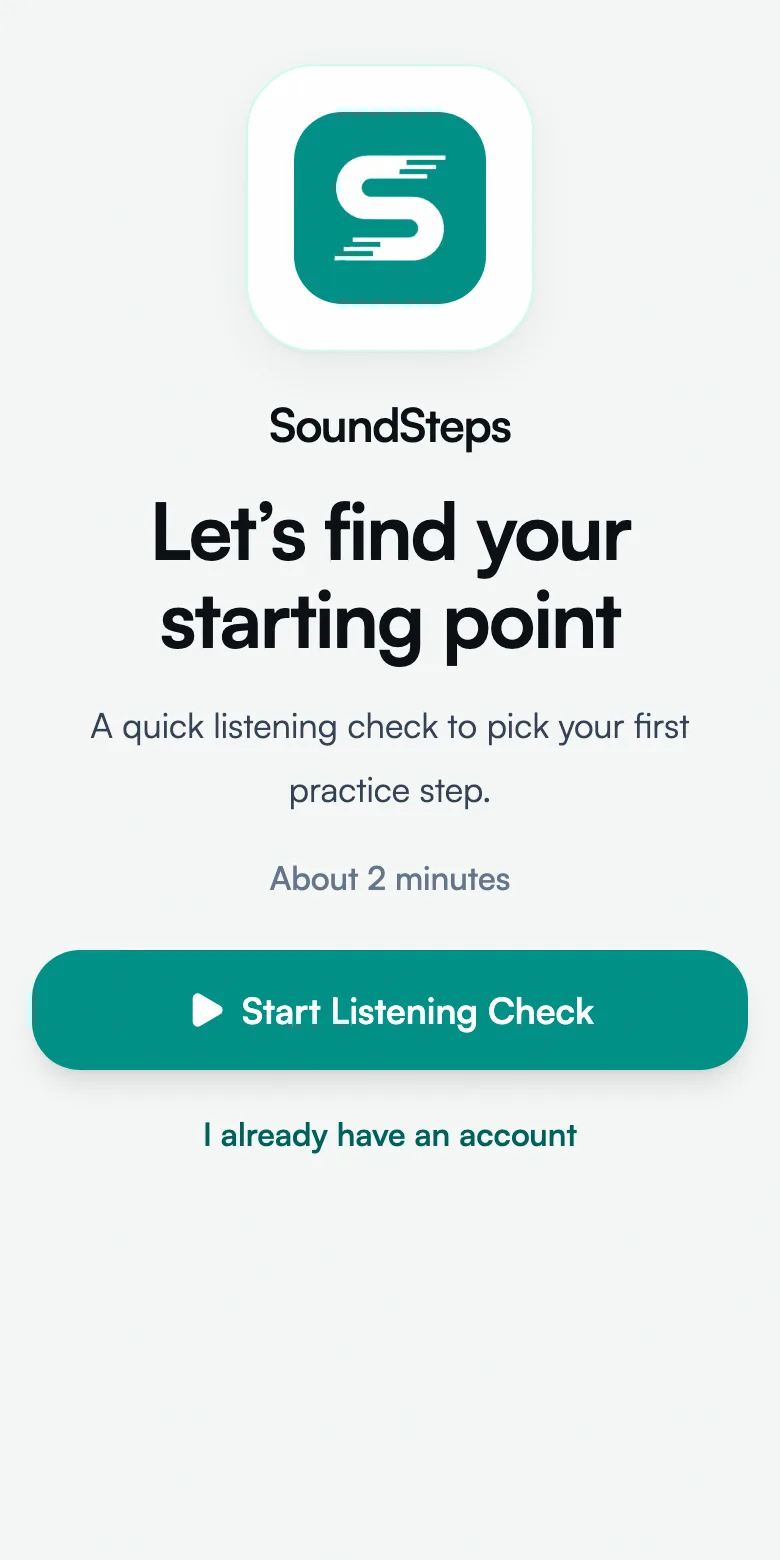
SoundSteps opens with a free listening check that takes a few minutes and feels more like a quiz than a test. That makes it a low-stakes first taste for a parent who bristles at anything formal. Sessions after that are short and guided, so there is nothing for you to run.

Once they are willing, our guide on helping a parent practice covers the how: setup, routines, and making the habit stick. This page was the step before that.

FAQ

What if my parent flat out refuses to practice hearing?

Let it go for now and keep the door open. Pressure hardens a no, while a declined invitation can be offered again in a month. In the meantime, focus on what you control: speaking clearly, facing them, and keeping them in conversations.

Is it my job to make my parent do hearing practice?

No. Your job is support: making it easy to start, keeping them company, and noticing wins. The decision to practice belongs to them, and treating it that way is usually what makes practice possible at all.

Why is my parent so resistant to hearing help?

Common reasons include pride, fear of confirming the loss is real, worry about failing at the exercises, and fatigue from years of health advice. The resistance is usually protecting something, and it softens with time, not pressure.

Should I do the first practice session with my parent?

Yes, if they will have you. Most reluctance is about facing an unfamiliar app alone. Set it up, sit beside them, and let them drive. One shared session usually settles whether they can do it on their own.

How long until hearing practice feels routine for my parent?

For many people, a few weeks of short daily sessions is when it stops needing a decision each day. Tying practice to an existing habit, like morning coffee, gets there faster than willpower does.

Should I bring up my parent's hearing in front of the family?

No. Being discussed at the dinner table puts them on the spot and invites the shield to go up. A private conversation about one specific moment, asked with curiosity instead of concern, goes much further.

Related reading

SoundSteps

An invitation, not an assignment

The free listening check is quick and asks for no commitment. Offer to do it together, and let them take it from there.

SoundSteps is designed for hearing training and practice. It is not intended to diagnose, treat, cure, or prevent any medical condition. Consult a healthcare professional for medical advice.